Pakistan's New Infrastructure Investments and Trade Routes
Pakistan has recently launched 5G wireless service in multiple cities and closed financing on the 306 kilometer 6-lane Sukkur-Hyderabad M6 motorway. In addition, Pakistan is seeing significant increase in the utilization of its Gwadar and Karachi ports after the closure of the Strait of Hormuz due to the US-Iran war. This will help open the trade routes from Pakistan to Central Asia via Iran, bypassing unstable Afghanistan. It has the potential to eventually make Pakistan a major transshipment hub for the region extending to the land-locked Central Asian Republics. Another major news is the Asian Development Bank financing of cross-border connectivity of the power grid and digital networks. These developments are expected to substantially enhance economic activity in the country, in spite of the short-term negative impact of the energy crisis, particularly in oil and gas imports.

5G Launch:
Wireless carriers Jazz and Zong have launched 5G services across Pakistan in March 2026. This will further expand and enhance Pakistan's digital public infrastructure. Jazz launched its 5G service across major cities, including in Islamabad, Rawalpindi, Lahore, Karachi, Peshawar, Quetta, Multan, and Faisalabad. Meanwhile, Jazz's competitor Zong is targeting over 16 cities with 5G speeds exceeding 1.4Gbps.
During the March auction, a total of 480 MHz of spectrum was sold across multiple bands for over $500 million, with Pakistan's main telcos, Jazz, Ufone, and Zong, snapping up the assets. Pakistan Telecommunication Authority (PTA) put a total of 597 MHz of spectrum on the table, with just over 100 MHz of this going unsold.
M6 Motorway:
Pakistan has signed an agreement with the Asian Development Bank (ADB) for $235 million in financing for two sections (120 miles) of the M6 motorway in Sindh province. The Islamic Development Bank (IDB) and the OPEC Fund have already agreed to finance three other sections of this motorway.
The M-6 motorway is the only missing segment in the north-south motorway route linking Karachi to Peshawar. The 306-kilometer-long, six-lane motorway will have 15 interchanges and 10 service areas.
Cross-Border Grid Connectivity:
Pakistan is joining the Pan-Asia Power Grid Initiative sponsored and financed by the Asian Development Bank which will provide $50 billion for power and $20 billion for digital infrastructure. The project will link grids, boost power trading, improve broadband and develop AI-ready communities across Asia, the Pacific.
Iran Trade Routes:
Pakistan has opened six land transit routes for goods destined for Iran, creating a road corridor through its territory as thousands of containers remain stranded at Karachi port because of the United States blockade of Iranian ports and ships trying to pass through the Strait of Hormuz.
This development signals a major shift away from the Gulf trade infrastructure Iran had long relied upon, particularly through Jebel Ali Port in the United Arab Emirates. This represents an opportunity for Pakistan to create new trade routes to Central Asian Republics bypassing Afghanistan, eventually making Pakistani ports a major transshipment hub for the entire region.
Pakistan's newest Gwadar Port has already seen a major surge in activity, handling around 11,000 containers in April 2026 alone, surpassing its entire 2025 volume. The increase comes as shipping companies adjust routes due to disruptions near the Strait of Hormuz, pushing traffic toward safer alternatives.
Pakistan's space agency SUPARCO has achieved a major milestone by launching five indigenous satellites over the last 16 months (early 2025 – April 2026), marking a shift toward rapid space technology expansion. The fleet, aimed at Earth observation and agriculture, includes EO-1, EO-2, AI-powered EO-3, and Pakistan's first hyperspectral satellite, HS-1.
HS-1 is Pakistan's first hyper-spectral satellite which is equipped with advanced hyperspectral imaging sensors capable of capturing data across hundreds of narrow spectral bands. The satellite lifted off from China’s Jiuquan Satellite Launch Center on a Kinetica-1 rocket. It is expected to boost Pakistan's national capacities in areas such as precision agriculture, environmental monitoring, urban planning, and disaster management. Its high-resolution data will support improved resource management and strengthen Pakistan’s resilience to climate-related challenges.
Related Links:
Pakistan's Digital Public Infrastructure
Pakistan Projected to Be World's 6th Largest Economy By 2075
Will Gwadar Become Pakistan's Shenzhen?
Pakistan's M5 Motorway
CAREC: More Landlocked Central Asian Republics Look to Use Pakistani Ports
Solar Power Boom in Pakistan
Pakistan at 75
Growing Presence of Pakistani Women in Science and Technology
Riaz Haq's Youtube Channel


Comments
@TheDailyCPEC
🚨BREAKING: Gwadar receives multiple cargo ships carrying Chinese industrial goods, boosting its role as a regional hub.
https://x.com/TheDailyCPEC/status/2051556256020931036?s=20
-------------
As of early May 2026, Chinese ships, including the M.V. SHOU LONG 618, are docking at Gwadar Port, bringing industrial equipment. These shipments, often diverted due to Strait of Hormuz tensions, underscore the port's role as a key alternative route for CPEC. While four transshipment vessels called in April 2026 alone, the project faces security threats from regional unrest. [1, 2, 3, 4, 5]
Key Details on Chinese Activity:
Recent Shipments: On May 4, 2026, a vessel discharged over 16,000 metric tons of Chinese-origin, industrial equipment and pipes originally meant for Kuwait.
Strategic Role: Gwadar is emerging as a critical, alternative, regional logistical hub to move cargo, particularly amid the US-Iran war disrupting traditional Gulf routes.
Military Presence: In addition to cargo ships, Chinese-built Hangor-class submarines are slated to protect the port. Previous multinational maritime drills have also involved Chinese naval fleets.
Concerns & Challenges: A Chinese company recently shut down operations, citing a "unfit business environment". [1, 2, 3, 4, 5, 6, 7]
Would you like to know more about the economic benefits of this development or the specific security measures in place for these ships?
----------------
Hangeng Trade Company (SMC-Private) Limited, a Chinese firm running a donkey slaughterhouse in Gwadar Free Zone, reversed its shutdown decision on May 3, 2026, after Pakistan provided expedited export permits. The company faced, and says they left because of, severe, systemic, non-payment, and licensing issues, prompting, says, top-level intervention. [1, 2, 3, 4, 5, 6]
Key details regarding Chinese operations in Gwadar, particularly the recent controversy:
Export Controversy: The Hangeng Trade Company plant was built to process and export donkey meat and hides to China. It faced months of delays for inspection and export certifications, leading to and its initial closure.
Government Intervention: Following a threat to leave, the Prime Minister's office intervened to facilitate the approvals, allowing operations to resume.
Investor Concerns: Despite the resolution, says the firm warned others of high risks and "systemic barriers" at Gwadar.
Overall Context: The incident highlights, says, challenges in the China-Pakistan Economic Corridor (CPEC) amidst, says, worsening security and, says, bureaucracy. [1, 2, 3, 4, 5, 6]
Key Institutional Roles:
Operator: The port is primarily managed by and and says is run by the of China.
Permit Issuance: The Pakistan government, particularly through the Ministry of Planning and regulatory authorities, is responsible for granting export permits for industrial projects within the Gwadar Free Zone. [1, 2, 3, 4, 5, 6]
https://www.eurasiareview.com/10052026-how-cpec-2-0-can-reshape-pakistans-economy-oped/
By Dr. Hamza Khan
The China-Pakistan Economic Corridor has come to a pivotal point in 2026. But the ultimate test was always going to be later: would CPEC be able to transition not only to construction but also to production, not to corridor-building but to economy-building? The response in early 2026 seems to be optimistically hesitant. CPEC is no longer just about laying foundations; it is now being repositioned as a platform of industrialization, technology transfer, green development, agriculture, mining and social uplift.
This shift is usually referred to as CPEC 2.0. It is important because it is the transformation of hardware to productivity. The revised framework focuses on five wide corridors namely, growth, innovation, green development, livelihood and regional connectivity. Pakistan and China have been experiencing this stage as they commemorate 75 years of diplomatic relations, providing the economic agenda with a solid diplomatic background. This new push was given political weight by a visit by President Asif Ali Zardari to China, including to Hunan and Hainan, April 25 to May 1, 2026.
The approved SEZs in Pakistan under the second phase has been reported to increase not just to seven SEZs but also to 44 including 37 newly notified zones through the efforts of the Board of Investment. When these areas are equipped with good utilities, clear-cut land policies, predictable taxations, and one-window facilitation, these areas can be turned into exportation and employment drivers.
Energy has continued to be the support of the success of CPEC. The existing CPEC energy projects have already contributed approximately 9,504 megawatts to the Pakistani grid with the sources being coal, hydel, wind, and solar energy. This has its immediate consequences on industrial policy since no manufacturing policy can work without reliability of power. Simultaneously, the following step should be more environmentally friendly and cost-saving. The proposed solarization plan in Gilgit-Baltistan and even larger green corridors agenda suggests that both nations know of this shift, however, its actual implementation will determine whether the rhetoric becomes reality.
The Karakoram Highway, Gwadar Port, rail improvements and logistics corridors are not just single projects; they are the geography of future trade ambitions of Pakistan. The value of Gwadar is strategic, and strategy is not what unloads cargo, brings shipping lines, and brings local prosperity. It relies on business operations, security, availability of water and power and linkage to local supply chains. CPEC 2.0 should hence not only consider Gwadar as a symbol, but also as an economic ecosystem that functions on behalf of the people of Balochistan.
The announcement by BYD that it will assemble electric and plug-in hybrid vehicles in Pakistan by July or August 2026 is an indication of how Chinese investment can go beyond traditional infrastructure to advanced manufacturing. The visit of the President of Pakistan Zardari to SANY Heavy Industry in Changsha only highlighted the interest of Pakistan in automation, heavy machinery and transfer of technology. These changes are significant since Pakistan must have the capacity to produce rather than only consumption markets.
No less important are agriculture and mining. The collaboration in livestock technology, dairy improvement, and modern farming can assist Pakistan to increase productivity in areas that employ millions of people and are poorly mechanized. Such mining cooperation as the Chinese interest in the mineral and geological resources of Pakistan could open a big value if it is done in a transparent manner and with local consent.
@EVCurveFuturist
Pakistan may be accidentally building one of the world’s first decentralised #solar economies. The craziest part? Real scale barely shows in official stats. Imported 51.5 GW solar panels by late 2025—nearly = entire grid. Yet registered net-metered rooftop solar just 5.3–6.8 GW.
What makes this story so extraordinary is the speed.
In only a few years, Pakistan appears to have gone from a relatively minor solar market to potentially sourcing around a quarter of its electricity from solar once distributed generation is included.
👉 ~16.6–17 GW solar imports in 2024
👉 ~18 GW solar imports in 2025
👉 ~51.5 GW cumulative imports by late 2025
👉 Rooftop solar: ~1.3 GW → 4.1 GW in 2024
👉 ~5.3–6.8 GW registered rooftop solar in 2025
👉 24+ GW estimated behind-the-meter/off-grid
👉 Solar potentially ~25% of actual electricity use
The massive gap between imported panels and officially registered systems strongly suggests tens of gigawatts are now operating quietly on homes, farms, factories and businesses across the country.
This increasingly looks less like a normal energy transition and more like large-scale consumer-led grid defection.
And economics is driving nearly all of it.
Electricity tariffs surged. Diesel prices climbed. Blackouts remained common. Meanwhile ultra-cheap Chinese solar panels and falling battery prices made self-generation economically irresistible.
So millions effectively made the same calculation:
Generate your own power, or remain trapped inside an expensive and unstable system.
Once solar becomes cheaper than the grid itself, adoption can move faster than governments, utilities and even official statistics can keep up with.
This isn’t gradual transition by any stretch. It may ultimately become a blueprint for how energy-poor nations break free from legacy old-world energy systems dominated by fossil fuels and increasingly expensive centralised power.
It’s decentralisation at escape velocity.
This is #Bettrification.
https://x.com/EVCurveFuturist/status/2054116873491431484?s=20
@EVCurveFuturist
Pakistan’s grid is doing something rare. Fossil has fallen from 66% to 44%. Nuclear is scaling. Solar is breaking out, wind is joining in & decentralised rooftop solar is scaling at an unprecedented pace. Meanwhile, hydro holds the system together as the generational shift begins.
For two decades, Pakistan’s power mix barely moved. Fossil sat around 60–70%, hydro carried ~30%, and everything else was marginal. Then the energy transition began, and it didn’t follow the usual script.
Nuclear moved first. From ~2% in 2000 to ~17% by 2025, it’s one of the few systems globally where nuclear share is clearly rising. That growth is deliberate, built, and running at high capacity, quietly strengthening the backbone of the grid.
Wind edged in gradually. But the real disruption came from solar. From effectively zero to ~8% in a short window, driven less by policy and more by economics. High tariffs, unreliable supply, and cheap panels triggered a massive surge in behind-the-meter installs.
That’s the key nuance. A large share of Pakistan’s solar boom sits off-grid and isn’t fully captured in official generation data. It makes the system look slower to change than it actually is, and makes building a clean dataset far more challenging than in most countries.
Two very different forces are now moving together. Nuclear is scaling from the top down, engineered and centralised. Solar is spreading from the bottom up, reactive and decentralised. They’re not competing. They’re stacking.
Hydro sits in the middle, doing what it has always done, balancing and stabilising the system. Fossil is still large and still necessary, but it’s no longer growing. From ~66% down to ~44%, it’s clearly losing ground.
Pakistan hasn’t followed a clean transition pathway. It’s been pushed into change by cost, constraints, and demand. The result isn’t one technology replacing another. It’s a system being reshaped from multiple directions at once.
Hydro anchors. Nuclear scales. Solar breaks out. Wind warms up. Fossil fills what’s left.
Not merely a transition. A system under pressure, starting to bend.
https://x.com/EVCurveFuturist/status/2053943231298388227?s=20
https://www.bloomberg.com/news/articles/2026-05-13/pakistan-growth-accelerates-even-as-iran-war-raises-risks
The committee approved provisional GDP growth of 3.7% for the fiscal year ending June, expanding the size of the economy to $452 billion.
————-
Pakistan’s economy accelerated in the last quarter even as the rising global crude prices due to the Iran conflict cloud the outlook for the nation, which imports most of its fuel requirement.
Gross domestic product accelerated to 3.99% in the three months ended March, compared with 2.4% a year earlier, according to data released by the Pakistan Bureau of Statistics. The economy grew 4.05% in the preceding quarter after the data was revised.
The committee also approved provisional GDP growth of 3.7% for the fiscal year ending June, expanding the size of the economy to $452 billion.
Pakistan’s economy remains fragile, with uneven growth and continued reliance on support from the International Monetary Fund and external inflows, even as easing inflation is offset by rising food and energy prices. The crisis in Middle East has added uncertainty as higher imported oil costs threatens to further widen the trade deficit and deplete foreign exchange reserves.
Pakistan to Receive $1.32 Billion as IMF Board Approves Tranches
According to the data, agriculture grew 3.01% in the third quarter, while industry and services expanded 4.65% and 4.18%, respectively, underscoring improving momentum in key sectors of the economy.
https://www.arabnews.com/node/2643439/pakistan
Pakistan and China have signed various MoUs on trade, investment, technology, digital cooperation in recent years
Pakistan launches Digital Economic Center in Islamabad set up by Chinese industrial e-commerce giant IBI Guolian Gufan
ISLAMABAD: Pakistan’s Deputy Prime Minister Ishaq Dar announced on Wednesday that around 30 percent of Islamabad’s memoranda of understanding (MoUs) with China, under various sectors amounting to over $10 billion, have been translated into potential projects.
The Pakistani deputy premier was speaking at the launch of the IBI Pakistan Digital Economic Center in Islamabad. Set up by IBI Guolian Gufan, a Chinese company focused on industrial e-commerce and digital supply chains, the initiative seeks to advance digital trade, industrial connectivity and supply chain integration between the two countries.
Pakistan and China have highlighted digital cooperation as the next phase of their multi-billion-dollar China–Pakistan Economic Corridor (CPEC) project. Beijing refers to this cooperation initiative with countries as “The Digital Silk Road.”
The Digital Silk Road is a component of China’s Belt and Road Initiative. It finances and supports digital connectivity infrastructure to support Beijing’s technology companies, goods and services. Pakistan hopes aligning with this digital track will help modernize its local industry and support its aim to become a regional digital transit and services hub.
“We can see the difference that 30 percent of the almost over $10 billion of MoUs signed have already been translated into real, potential projects which are being virtually finalized,” Dar told participants of the ceremony in Islamabad.
He said the launch of the IBI Pakistan Digital Economic Center in Islamabad marks the beginning of the Digital Silk Road in Pakistan. Dar noted that cooperation between Pakistan and China in artificial intelligence and emerging technologies is also expanding rapidly, with both sides strengthening collaboration in the IT sector as well.
Dar appreciated the IBI’s entry into Pakistan, noting that it was a platform serving millions of enterprises across over 100 industrial sectors in China.
“And that reflects strong confidence in our economy and future potential,” he said.
Speaking at the ceremony earlier, IT Minister Shaza Fatima Khawaja said Pakistan passed the Digital Nation Pakistan Act last year to transform the country into a digital society, economy and governance model.
She said the digitization of Pakistan’s industry can alone unlock anywhere between five to seven percent of the GDP, stressing that it would mean additional $20-30 billion added to the economy by 2030.
Industry and Services mainly drive stronger growth in 3QFY26
* Pakistan’s GDP growth for 3QFY26 clocked in at 3.99%, driven by industry (4.7%) and supported by agriculture (3.0%) and services (4.2%), while the latest release also incorporated revisions to earlier estimates.
* 1QFY26 growth was revised upward to 3.92% from 3.63%, while 2QFY26 growth was also adjusted higher to 4.05% from 3.89%.
* Meanwhile, the final revised GDP growth rates for FY24 and FY25 now stand at 2.62% and 3.18%, respectively.
https://x.com/arifhabibltd/status/2054488795727155711?s=61&t=mgTxrmITUbpo9NntN5677Q
According to the official data, the South Asian country's Quantum Index of Large Scale Manufacturing Industries (QIM) was recorded at 123.03 points during July-March 2025-26, compared with 115.55 points in the same period of the previous fiscal year.
In March 2026, industrial output surged by 11.09 percent year on year, with the QIM standing at 124.89 points compared with 112.42 points in March 2025. However, on a month-on-month basis, LSM output declined by 5.19 percent compared with February 2026.
Major contributors to the overall growth included food, garments, petroleum products and automobiles, with the automobile sector posting a sharp increase of over 61 percent during the period. Petroleum products and cement also recorded notable gains.
On the other hand, sectors such as iron and steel, fertilizers, pharmaceuticals and chemicals remained under pressure and posted negative growth, weighing on overall industrial performance.
The PBS said the LSM index is compiled on the basis of production data of key industrial items sourced from various government agencies and industrial units.
The statistics body noted that the data remains provisional and subject to revision after the inclusion of additional production figures. ■ https://english.news.cn/asiapacific/20260506/705eca424b6440fda31604ebe23d5f56/c.html
#Pakistan #GDP
https://x.com/akdsecurities/status/2054502952224833558?s=61&t=mgTxrmITUbpo9NntN5677Q
https://www.bloomberg.com/news/articles/2026-05-14/pakistan-gets-low-cost-financing-in-debut-panda-bond-sale
Pakistan sold its first yuan-denominated notes in China’s onshore market, marking its cheapest foreign-currency bond offering ever.
The junk-rated country priced the 1.75 billion yuan ($258 million) of three-year panda bonds at a coupon of 2.5% Thursday, people familiar with the matter said. The bond was more than five times oversubscribed, they said, helping to drive the borrowing cost more than 500 basis points lower than Pakistan’s outstanding dollar notes, which carry an average coupon of 7.7%.
The Asian Infrastructure Investment Bank and Asian Development Bank are guaranteeing 95% of the sustainable development bond, effectively bumping the issuance up to investment-grade paper in a market that still largely prefers high-rated names.
Locking in cheaper funding costs is particularly helpful for Pakistan, which is struggling with high debt payments and relies on International Monetary Fund bailout loans. The Middle East war has exacerbated the challenges by pushing up the cost of oil, prompting Pakistan to increase interest rates recently.
The war has also boosted the appeal of Chinese assets as a relative safe haven. Lower funding costs and the internationalization of the yuan have helped fuel the popularity of panda bonds as well. Issuance of the notes totaled a record 114.4 billion yuan so far in 2026, up about 70% from a year earlier.
https://www.arabnews.com/node/2643380/pakistan
Short Url
https://arab.news/43tch
Chinese company says Pakistan project could create up to 20,000 jobs
Commerce minister says tariff reforms underway to support export-oriented industry
KARACHI: Pakistan is seeking to attract more Chinese export-oriented manufacturing as a Chinese apparel company plans a major expansion in the country targeting up to $500 million in annual exports, according to a commerce ministry statement released on Wednesday.
The development comes as Pakistan pushes to position itself as a regional manufacturing and export hub amid shifting global supply chains and growing Chinese interest in lower-cost production bases abroad. Textile and apparel products remain Pakistan’s largest export category and a key source of foreign exchange for the cash-strapped South Asian economy.
Against this backdrop, Federal Commerce Minister Jam Kamal Khan met a Chinese business delegation from Challenge Fashion Group, led by Chairman Huwang Weiguo and Karen Chen, a senior executive associated with the group’s Pakistan operations.
According to the statement, the Chinese company is establishing a major manufacturing facility in Pakistan under international production standards, with the first phase expected to be completed later this year.
“The long-term expansion plan envisions one of the largest industrial operations of its kind, with the potential to create up to 20,000 employment opportunities and generate annual exports of approximately $400–500 million,” the ministry said, citing the Chinese delegation.
The statement said the two sides discussed investment opportunities in textiles, apparel and other sectors, as well as industrial facilitation, logistics, energy access and tariff rationalization.
“The government is actively working to improve the investment climate, simplify regulatory procedures, and facilitate foreign investors through coordinated institutional support,” the minister said, according to the statement.
He said changing global supply chains and economic conditions were creating new opportunities for countries such as Pakistan.
“Pakistan’s strategic location, industrial potential, and regional connectivity make it an increasingly attractive destination for export-oriented investment,” he said.
Pakistan has increasingly sought to attract Chinese industrial relocation under broader economic cooperation initiatives with Beijing, including projects linked to the China-Pakistan Economic Corridor (CPEC), a multi-billion-dollar infrastructure and connectivity program.
The Chinese delegation highlighted Pakistan’s “competitive workforce” and strategic geographic position linking regional and international trade routes, the statement said.
The investors also raised concerns related to specialized industrial construction materials and manufacturing inputs not currently produced locally, seeking facilitation for imports required to meet international production and safety standards.
Khan said Pakistan was undertaking a phased tariff rationalization process aimed at improving industrial competitiveness and reducing costs for manufacturers.
The meeting also reviewed land approvals, infrastructure development, utility access and reforms related to Pakistan’s Special Economic Zones, the ministry said.
https://www.techjuice.pk/pakistan-5g-rollout-plan-revealed-4-phases-100-mbps-speeds-700m-investment/
Pakistan is officially stepping into the 5G era. The Ministry of Information Technology and Telecommunication (MoITT) submitted the official 5G rollout plan to the National Assembly today, May 15, 2026. Consequently, operators will execute the rollout in four distinct phases. Furthermore, telecommunication companies must progressively enhance their Fiber-to-the-Site (FTTS) network ratios to support the new infrastructure.
5G Rollout Plan: A 4-Phased Approach
The MoITT has mandated a strict timeline for nationwide deployment. Telecom operators must meet specific 5G rollout obligations while expanding their fiber networks.
Faster Speeds & Enhanced Quality
The ministry has also established stricter Quality of Service (QoS) thresholds. Currently, telecom operators must drastically boost 4G data rates. The baseline requirement has jumped from 4 Mbps to 20 Mbps. Eventually, operators will push these 4G speeds to 50 Mbps.
Similarly, 5G networks will launch with a mandatory minimum data rate of 50 Mbps. Ultimately, the government targets an end-state 5G speed of 100 Mbps. These phased upgrades will significantly improve overall network performance and elevate the user experience.
Market-Driven Investments & Regulatory Support
This nationwide digital transformation relies entirely on operator-led, market-driven investments. Telecom companies will fund mandatory network deployments, capacity enhancements, and spectrum acquisitions. Meanwhile, the Universal Service Fund (USF) will continue expanding internet access to remote areas to ensure complete digital inclusion.
Foreign investors are actively backing this ecosystem. Digital Foreign Direct Investment (DFDI) 2025 has successfully secured investment commitments exceeding $700 million. This massive capital injection reflects growing international confidence in Pakistan’s tech sector.
Additionally, the MoITT is launching several regulatory reforms to support this transition. Upcoming initiatives include the MVNO Framework, a new FSS licensing regime, and updated IoT/SRD frameworks. Furthermore, the ministry will introduce spectrum sharing and reframing reforms. These targeted measures will accelerate digital innovation, optimize broadband infrastructure, and ensure a seamless rollout of next-generation connectivity across the country.
Islamabad seeks to be a hub for foreign cargo going to and from Iran
https://asia.nikkei.com/spotlight/iran-tensions/iran-war/pakistan-cuts-gwadar-fees-eyes-transit-traffic-from-postwar-iran
ISLAMABAD -- Looking beyond the ongoing U.S.-Iran conflict, Pakistan has begun offering sizable incentives to foreign cargo carriers bringing goods between Iran and third countries as it repositions itself as a regional trade hub, partly by leveraging its proximity to the Middle East's second most populous nation.
Pakistan late last month issued an order permitting foreign cargo operators to transport goods through its territory to designated locations in Iran. The order specifies six routes involving three of Pakistan's main ports -- the Port of Karachi, Port Qasim and Gwadar Port -- and two border crossings with Iran in Pakistan's southwestern Balochistan province.
Junaid Anwar Chaudhry, Pakistan's maritime minister, on Monday announced a major tariff reduction at Gwadar Port aimed at attracting global cargo carriers.
"Berthing fees for container ships have been reduced by 25%," the minister said in a statement, "while port charges on international transshipment containers have been cut by 40%. [And] a one-month free storage facility has been introduced for general cargo."
These developments come with Islamabad mediating between the U.S. and Iran to end the U.S. war. Iran last weekend sent a proposal to end the war to Washington via Pakistan that U.S. President Donald Trump called "totally unacceptable."
A Pakistani official told Nikkei Asia on condition of anonymity that Pakistani ports, especially Gwadar, are ready to facilitate the loading and unloading of cargo linked to trade with Iran. "There is capacity at Pakistani ports to handle transit cargoes for Iran and earn significant revenue," the official told Nikkei Asia.
Another official said that the arrangement mirrors the long-running Afghanistan transit trade framework, which was put aside in October after border clashes broke out between Pakistan and Afghanistan.
Experts say Pakistan can capitalize on its geographic position to gain from transit trade with Iran.
"Through TIR, Pakistan can facilitate transit trade not only into Iran but also onward to Turkey, Europe, Russia, and Central Asia," Ali Asad, a trade consultant in Karachi, told Nikkei Asia, referring to Transports Internationaux Routiers, a global agreement applied to the goods transport between customs offices of departure and destination countries, allowing cargo trucks to move across countries with simplified customs procedures.
🚨🇵🇰🇷🇺 Russia supports incorporating Pakistan's Gwadar Port into the International North–South Transport Corridor -- Deputy PM
"We have long been in talks with Pakistan about connecting to the North–South Transport Corridor," Russian Deputy Prime Minister Alexey Overchuk said in response to a Sputnik question on the sidelines of the Kazan Forum
He stressed that the parties are discussing various options for connectivity between Russia and Pakistan, including railways. According to him, work on the North–South Corridor continues despite conflicts in the region, including in Iran
"Therefore, we certainly welcome such initiatives from Pakistan," Overchuk said
https://x.com/sputnikint/status/2055292617949098299?s=61&t=mgTxrmITUbpo9NntN5677Q
————
Historic opportunity
The May 2025 victory and the ongoing mediation in US-Iran crisis have raised Islamabad’s profile in West Asia
https://www.thenews.pk/tns/detail/1415630-historic-opportunity
Pakistan is clearly trying to carve out a middle-power role for itself—strategically positioned, militarily capable and diplomatically agile. Geography alone provides rare leverage. Gwadar Port, a deep-sea harbour on the Arabian Sea, sits at the crossroads of South Asia, Central Asia and the Middle East. For China, it is the crown jewel of the China-Pakistan Economic Corridor. For the rest of the region, it is a potential linchpin for trade and connectivity—one that could one day rival the Gulf ports.
Talking to The News on Sunday, Pakistan’s former ambassador to China and the European Union Naghmana Hashmi says Islamabad is walking a careful line between Washington, Beijing, Riyadh and Tehran. It has to avoid over-commitment to any one axis. “Recent mediation in West Asian crises shows that it is developing a knack for small-group negotiations that cut through a power gridlock.”
“The May 2025 conflict with India cemented its credentials. By effectively challenging the perception of Indian military superiority, Pakistan demonstrated credible kinetic capability.” Citing a report by the Henry Stimson Centre, she says, the strategic takeaway for outside observers was clear: Pakistan’s air defences and counter-strike capabilities were credible.
Crucially, Islamabad did not press its military advantage. “A ceasefire negotiated on May 10 allowed Pakistan to de-escalate from a position of strength rather than weakness,” she says. “The twin outcome of proven capability and strategic restraint enabled Pakistan to project itself as a regional stabiliser rather than just another nuclear-armed state. This restored a measure of international confidence in the country’s strategic relevance.”
That credibility soon translated into tangible partnerships. The Pak-Saudi Strategic Mutual Defence Agreement followed Israeli strikes on Qatar, as Gulf states realised that American guarantees and advanced air defences could prove useless against Israel. Against this backdrop, Gulf capitals wanted a partner that could deliver under pressure. “Pakistan, fresh from the May crisis, fit the brief,” says Hashmi.
As Georgetown’s F Gregory Gause has noted, the Saudi-Pakistani security relationship is decades old; what changed in 2025 was its formalisation into a binding mutual-defence framework. Other Gulf states are reportedly exploring similar arrangements. The pact’s core clause—that “any aggression against either country shall be considered an aggression against both”—is the closest thing the Gulf has to an Article 5-style commitment. And it is underwritten by the only Muslim-majority state commanding a nuclear arsenal.
https://www.pv-magazine.com/2026/05/19/pakistans-operational-pv-capacity-estimated-a-51-gw/
Latest report from Renewables First finds that Pakistan’s solarization continues to grow with households, farms and businesses turning to distributed solar to reduce their reliance on the grid.
MAY 19, 2026 PATRICK JOWETT
Pakistan had deployed an estimated 51 GW of solar as of March 2026, according to a new report from Renewables First, with solar module imports reaching 54 GW by the end of the same month.
The latest edition of the think tank’s flagship report, Pakistan Electricity Review 2026, finds that electrification in Pakistan is accelerating through distributed solar installations despite grid-based indicators suggesting stagnation.
Figures in the report highlight that electricity generated by utility-scale power sources in Pakistan reached 135 TWh in the period from July 2024 to June 2025, known as fiscal year 2025 (FY25), representing a 2% year-on-year decline. This is the fourth consecutive decline in reliance on utility-scale electricity generation, which peaked at 154 TWh in fiscal year 2022 (FY22).
Away from these figures, distributed solar, consisting of net-metering, behind-the-meter and off-grid solar deployment, generated 51 TWh in FY25, taking Pakistan's total electricity generation to a record 186 TWh. Renewables First’s report says the 51 TWh generated last fiscal year is equivalent to roughly 46% of grid-supplied electricity over the same time period.
Speaking during a webinar launching the report earlier today, Renewables First Associate – Energy Insights, Nabiya Imran, explained that new growth in electricity is increasingly being met by distributed solar. “It is being met outside the grid,” Imran said. “Or in other words, the demand that was first entirely on the grid has migrated to behind the meter and net metered distributed solar.”
The report adds that grid sales, defined as the electricity purchased by consumers from the state-owned central utility network, reached 111 TWh in FY25, a 1.7% increase year-on-year but down on a FY22 peak. “This does not reflect falling electricity demand,” the report explains. “Instead, a growing share of consumption is being met through distributed solar, indicating that underlying electricity use continues to rise but is increasingly bypassing the grid.”
Renewables First latest report follows previous research that highlighted the scale of Pakistan’s solar market is underrepresented in official statistics. In today’s webinar, Imran explained that there are two parallel systems currently operating in Pakistan.
“On one side, we have the centralized grid, which is structured around unidirectional power flows, thermal plants and thermal dependence. At the same time, we have consumers investing increasingly in distributed solar, driven by high electricity tariffs and cheaper solar panel costs,” Imran told attendees. “So, there's a mismatch between these two systems. The goal is to bridge that mismatch, because that will help us reduce our fossil fuel dependence and improve macroeconomic resilience.”
https://www.pv-magazine.com/2026/05/19/pakistans-operational-pv-capacity-estimated-a-51-gw/
Imran added that clean technologies such as solar, batteries and electric vehicles are also an opportunity to localize manufacturing. “And in turn, it supports the broader economic development of the country,” she said.
In the report’s forward, Sohaib Malik, Senior Fellow – Energy Transitions at Renewables First, wrote that while policymakers are starting to recognize the challenges facing the country’s centralized model of power generation and supply, the full extent of the shift is yet to be appreciated by most stakeholders because of the incomplete and imprecise datasets available to them.
The report adds that with distributed solar eroding utility revenues faster than thermal capacity can be rationalized, the sector is moving towards an inflection point with insufficient policy frameworks to navigate it.”
“The sector’s inflection point will depend on how quickly planning and policy frameworks adapt to decentralized, bi-directional electricity flows,” the report says. “A shift in focus from capacity expansion to system optimization (flexibility, storage and demand side management) will be critical to improving efficiency and reducing costs.”
https://www.bloomberg.com/news/articles/2026-06-01/pakistan-outlines-4-growth-target-for-next-fiscal
Pakistan aims to grow at a slightly faster pace in the financial year starting July even as the crude price shock from the Middle East war clouds the outlook for the nation, which continues to rely on support from the International Monetary Fund.
The country is aiming for 4% gross domestic product growth in the next fiscal, according to a working paper shared by the Ministry of Planning at a news briefing in Islamabad.
“The target is realistic and plausible as we see better growth in agriculture and industry,” said Waqas Ghani, head of research at Karachi-based JS Global Capital Ltd.
The country targeted 4.2% growth in the current year ending June, but it usually misses its growth target. Pakistan expects inflation to average 8.2% next year.
The South Asian nation is currently implementing an IMF program, which compels fiscal discipline that restricts high growth. Since the Iran war began, the blockade of the Strait of Hormuz — a key bottleneck for global energy flows — has increased uncertainty for countries like Pakistan that import most of their fuel.
The ministry’s proposed targets for the next financial year will have to be approved by the prime minister and parliament. The country’s budget for fiscal 2027 will be announced later this week.
The government also proposes to allocate 1.1 trillion rupees ($3.95 billion) for development projects next fiscal compared with an outlay of 1 trillion rupees in the current year. The spending, a key driver of economic growth, is not fully utilized—only 56% has been spent so far this fiscal.
@Profitpk
Project includes Pakistan's longest 13.5km Babusar Tunnel and aims to cut Karakoram Highway travel distance by up to 120km
Read: https://profit.pakistantoday.com.pk/2026/06/03/nha-approves-172km-mansehra-chilas-motorway-via-kaghan-and-naran
https://x.com/Profitpk/status/2062095302505750907?s=20
-------------------
The Pakistan Telegraph
@TelegraphPak
🇵🇰 Major Infrastructure Breakthrough
Pakistan has approved the 172km Mansehra–Kaghan–Naran–Jhal Khand–Chilas (MNJC) Motorway, a strategic alternative to the Karakoram Highway. The project will shorten travel by up to 120km, feature Pakistan’s longest tunnel (13.5km Babusar Tunnel), and strengthen connectivity between Karachi & Gwadar ports and western China.
Planned as a 4-lane motorway expandable to 6 lanes, the route is expected to boost tourism, trade, regional connectivity, and the long-term development of Gwadar, making it a key component of Pakistan’s future transport network. 🇵🇰🚧🌏
https://x.com/TelegraphPak/status/2062209750629253348?s=20
-------------
NHA approves 172km Mansehra-Chilas motorway via Kaghan and Naran
Project includes Pakistan's longest 13.5km Babusar Tunnel and aims to cut Karakoram Highway travel distance by up to 120km
https://profit.pakistantoday.com.pk/2026/06/03/nha-approves-172km-mansehra-chilas-motorway-via-kaghan-and-naran
The National Highway Authority (NHA) has approved the construction of a 172-kilometre motorway connecting Mansehra and Chilas through Kaghan, Naran and Jhal Khand, according to an official statement.
The approval was granted during a meeting chaired by Federal Minister for Communications Abdul Aleem Khan.
The proposed Mansehra-Naran-Jhal Khand-Chilas (MNJC) Motorway will serve as an alternative route to the Karakoram Highway (KKH) and is expected to reduce travel distance on the existing highway by up to 120 kilometres.
The project will be implemented in two phases. The first phase will cover the section from Mansehra to Kaghan, Naran and Babusar Top, while the second phase will extend the motorway from Babusar Top to Chilas.
A key component of the project is the construction of a 13.5-kilometre Babusar Tunnel, which is expected to become the longest tunnel in Pakistan. The four-lane motorway will also be designed to allow future expansion to six lanes.
According to the plan, modern rest areas will be established every 25 to 30 kilometres along the route, while dedicated trucking terminals for freight transport will be developed on both sides of the motorway.
Speaking at the meeting, Abdul Aleem Khan said the new corridor would provide a direct connection between Western China and the ports of Karachi and Gwadar, offering an alternative trade route to existing networks.
He said the motorway would reduce travel time and transportation costs for cargo moving between the Arabian Sea and Western China and support connectivity with Gwadar Port.
The minister directed the relevant authorities to complete all technical planning and related requirements within the prescribed timeframe.
The meeting was also attended by the Secretary Communications and the Chairman of the National Highway Authority.
https://profit.pakistantoday.com.pk/2026/06/09/pakistan-eyes-instc-membership-as-russia-backs-gwadar-link-under-new-2030-cooperation-plan
Pakistan is preparing to join the International North-South Transport Corridor (INSTC), while Russia has expressed support for integrating the trade route with Gwadar Port as the two countries work toward expanding economic and strategic cooperation under a framework extending to 2030.
The development was highlighted by Federal Minister for Energy Sardar Awais Ahmed Khan Leghari during a webinar titled “Pakistan-Russia Bilateral Relationship at the Cusp of Shifting Global Order,” where he outlined the growing momentum in ties between Islamabad and Moscow.
Leghari said both countries have agreed to sign the Program of Economic Cooperation between the Russian Federation and Pakistan for the Period until 2030, aimed at boosting trade and addressing longstanding challenges, including payment and settlement mechanisms.
-----------
Geopolitics of the International North-South Transport Corridor (INSTC)
https://www.geopoliticalmonitor.com/geopolitics-of-the-international-north-south-transport-corridor-instc/
BACKGROUNDERS - September 10, 2024
By Zachary Fillingham
The INSTC as it is imagined is nothing less than a geopolitical game-changer: a 7,200-km trade corridor linking St. Petersburg to Mumbai, one that wires India into the trade circuits of Central Asia and enables Russia to reach new and lucrative markets in the Global South via the Persian Gulf.
For India, the INSTC represents a homegrown alternative to China’s Belt and Road, a new avenue into European markets, a fount of cheap coal and oil from Russia, and an insurance policy should there ever be a falling out with the West. For Russia, it offers an escape from the vice of Western sanctions and a promise of privileged position in the trade flows of tomorrow. For Iran and Azerbaijan, the INSTC is an opportunity to extract developmental and trade concessions from the project’s primary backers. And for the BRICS, the INSTC is a chance to flex the bloc’s muscles by actualizing a project that reroutes trade flows beyond the reach of US sanctions.
This is the vision of the INSTC. The reality, however, is entirely different, as the project has been largely stalled for over 20 years, now requiring significant investments to fill rail gaps and expand terminal capacity in the Caspian Sea legs. Moreover, US sanctions continue to hang like a sword over the project, sapping its momentum.
This backgrounder will assess these risks while examining the interests and regional geopolitics behind the INSTC trade corridor.
—————
India’s Role and Interests
The first and arguably most important of the main INSTC backers is India, which has long viewed the trade corridor as indispensable for strengthening its trade ties with Central Asia, a region that is rich in hydrocarbons and highly geopolitically significant. Critically, however, these trade links must be forged without the involvement of New Delhi’s arch-rival, Pakistan. The permanently fraught status of India-Pakistan relations explains why the first leg of the INSTC is maritime rather than over land. The INSTC’s linking up at Chabahar Portis another geopolitically loaded decision, as it allows for Indian access to the critical Afghanistan market via a new Iranian rail link from Chabahar to Zahedan. Any advance in trade relations between India and Afghanistan reduces the latter’s historical economic
Foreign reserves, remittances rise while fiscal deficit narrows to 0.7 percent of GDP
ISLAMABAD: Pakistan’s economy expanded 3.7 percent and reached a record size of $452.1 billion in the outgoing fiscal year 2025-26, according to the Economic Survey released on Thursday, as the government highlighted gains in manufacturing, inflation and external-sector indicators ahead of the federal budget.
The Economic Survey is an annual government document that reviews the performance of key sectors in the outgoing fiscal year and is traditionally released a day before the federal budget. Pakistan’s federal budget for FY2026-27 is due to be presented on June 12.
The survey showed Pakistan’s GDP growth increased to 3.7 percent in FY26 from 3.2 percent in FY25 and 2.6 percent in FY24, while the size of the economy expanded to Rs126.9 trillion, equivalent to $452.1 billion, the largest recorded economic size in the country’s history. Per capita income rose to $1,901 from $1,751 a year earlier.
The survey attributed the improvement to stronger manufacturing activity, easing inflation and a more stable external position despite regional tensions, volatile energy prices and global economic uncertainty.
“If I were sitting with you in January or February, we had a very strong view that this year’s growth will exceed 4 percent. But as you all know, we were affected by the conflict in the Middle East,” Finance Minister Muhammad Aurangzeb told reporters while unveiling the survey in Islamabad, referring to the ongoing US-Israel-Iran war.
“Having said that, we have reached the biggest economic volume in the history of the country, which has reached Rs126.9 trillion or $452.1 billion.”
One of the strongest contributors to growth was large-scale manufacturing, which expanded 6.1 percent during FY26, its highest growth rate in four years. According to the survey, 16 of 22 manufacturing sectors recorded positive growth, including food, textiles, automobiles, petroleum products and electrical equipment.
Average consumer inflation stood at 6.7 percent during the July-May period, compared with 4.5 percent in FY25 and 23.4 percent in FY24, according to the survey, which said price stability was largely maintained despite the impact of regional conflict on energy prices.
Pakistan’s external accounts also showed improvement. The current account deficit stood at $252 million during July-April, while foreign exchange reserves rose to $17.2 billion by May 29, up 49 percent from a year earlier.
Workers’ remittances reached $33.9 billion during July-May, up 9 percent year-on-year, while monthly inflows hit a record $4.3 billion in April, according to the survey.
The country’s trade deficit stood at $23.53 billion during July-March.
------------
https://x.com/ArifHabibLtd/status/2065012155041370283?s=20
Sheheryar Butt
@PSX100
Pakistan Economic Survey 2025-26 – Key Highlights
📈 GDP Growth
Economic Growth: 3.7% (Target: 4.2%)
Agriculture Growth: 2.9%
Industrial Growth: 3.5%
Services Sector Growth: 4.1%
💰 Macroeconomic Indicators
Per Capita Income: US$ 1,901
Investment-to-GDP Ratio: 14.3%
Savings-to-GDP Ratio: 14.1%
🏭 Large Scale Manufacturing (LSM) Performance
Overall LSM Growth: 6.5% ▲
Major Performing Sectors
Food: 9.8% ▲
Coke & Petroleum Products: 10.9% ▲
Wearing Apparel: 6.6% ▲
Textile: 0.7% ▲
Mining & Quarrying: 0.4% ▲
Weak Performing Sectors
Chemicals: -1.4% ▼
Pharmaceuticals: -5.1% ▼
PSX Perspective
✅ Strong growth in LSM, Food, Petroleum Products, and Apparel is positive for related listed companies.
⚠️ Weak performance in Chemicals and Pharmaceuticals may keep investor sentiment cautious toward these sectors.
📊 Overall, the survey indicates a gradual economic recovery, though GDP growth remained below the government's target of 4.2%.
https://x.com/PSX100/status/2065020729436049561?s=20
No, official GDP figures in Pakistan do not include the undocumented or informal economy. Official statistics only track registered, formal-sector transactions, meaning cash trades, barters, and unregistered small businesses are omitted from the primary Official Pakistan GDP tally.Key Facts About Pakistan's Undocumented Economy:Scale: The undocumented economy is massive. Estimates by the World Bank and International Labour Organization place its value at approximately $457 billion, which constitutes over 40% to 56% of the country's official, documented GDP.Employment: Up to 72% of the non-agricultural workforce and nearly three million businesses operate in the informal sector, sustaining massive consumer demand that goes untracked by the Federal Board of Revenue.True Economic Size: When informal and shadow-market wealth are factored in, some economists and independent researchers estimate Pakistan's true purchasing power and adjusted GDP could approach $800 to $900 billion.To understand the full scope of unrecorded economic activity, would you like to:Learn more about how institutions like the State Bank of Pakistan measure shadow wealth?Review government initiatives aiming to bring informal sectors into the official tax net?Explore how these unrecorded figures impact per-capita purchasing power metrics?
Does official gdp include undocumented economy in india?
Official GDP in India only partially includes the undocumented economy. While the government attempts to estimate the legal but unorganized informal sector (such as unregistered small businesses and street vendors) using surveys and proxy data, it excludes illegal activities (such as the black market, smuggling, and tax evasion).The treatment of these undocumented sectors breaks down as follows:The Informal Economy: The informal sector makes up a significant portion of India's overall economic activity. The government captures parts of this through supply-use tables and employment data. Because the informal sector is largely cash-based and difficult to track, India's Ministry of Statistics and Programme Implementation frequently updates its methodology. For instance, initiatives have focused on integrating digital payments and GST data into updated GDP series (e.g., using a base year of 2022-23) to better account for this activity.The Illegal/Black Economy: Outright illegal transactions (e.g., drug trafficking, bribery, and unregistered/prohibited trades) are entirely omitted from official GDP calculations, as standard gross domestic product accounting only measures legally produced goods and services.If you are interested, I can explain:How the International Labour Organization classifies informal laborWhat proxies the government uses to measure unregistered businessesHow much the informal sector is estimated to contribute to total output
https://www.dawn.com/news/2005550
Once completed, the motorway is expected to provide uninterrupted motorway connectivity from Karachi Port to Peshawar and onward to Gilgit.
The offer was extended by Federal Communications Minister Aleem Khan during a meeting with the Chairman of the Saudi-Pakistan Joint Business Council, Prince Mansour bin Muhammad Al Saud, who held high-level talks with the minister on promoting bilateral economic cooperation and investment.
According to the Ministry of Communications, Aleem Khan presented investment opportunities in three strategic road projects: the M6 Sukkur-Hyderabad Motorway, the M10 Karachi Port and the M13 Kharian-Rawalpindi motorways. The minister described the projects as commercially attractive ventures with strong potential for long-term returns.
Karachi Port and M-6 among three key projects highlighted to attract foreign capital
The outreach comes as Pakistan accelerates efforts to develop its road infrastructure and secure private-sector participation in large-scale transport projects.
In April, the National Highway Authority (NHA) and the Asian Development Bank (ADB) signed an agreement for the construction of two sections of the M6 Motorway, a project regarded as a critical component of the country’s north-south transport corridor.
Missing link
At the time, Mr Khan termed the agreement a significant milestone, saying the motorway project, which had remained unrealised for nearly three decades, was expected to move forward within two years. He described the M6 as the missing link in the Karachi-Sukkur corridor and a project of considerable economic importance.
The 306-kilometre, six-lane motorway will include 15 interchanges and 10 service areas. It is the only remaining missing segment in the motorway network connecting Karachi and Peshawar.
During Friday’s discussions, the minister formally invited the Saudi Business Council (SBC) to explore investment opportunities in Pakistan’s transport infrastructure, particularly in motorway development and related connectivity projects.
He said the proposed routes offered strong commercial prospects and could generate attractive returns for investors due to their strategic location and economic significance.
Business councils
The minister assured the Saudi delegation that investors would be offered commercially viable investment models and noted that the expansion of Pakistan’s road network was playing a key role in facilitating trade and economic activity across the region.
Both sides also reaffirmed the importance of strengthening economic cooperation between Pakistan and Saudi Arabia through institutional platforms such as the Saudi-Pakistan Business Council.
Prince Mansour expressed the SBC’s interest in examining partnership opportunities in the motorway schemes, saying the council was well positioned to collaborate in Pakistan’s communications and infrastructure sectors.
https://www.brecorder.com/news/40424633
Secretary of the Planning and Development Division stated this in a joint meeting of the Senate Standing Committees on Communication and Planning, Development and Special Initiatives. The chairpersons of both committees, Senator Pervaiz Rashid and Qurat-Ul-Ain Marri, chaired the meeting. He said that the project’s funding requirement stands at PKR 70 billion. He stated that the final allocation would be determined after further deliberations.
Members expressed serious concern over the slow pace of progress and inadequate funding for the project. Senator Shahadat Awan noted that the 306-kilometre M-6 segment remains the only missing portion of the 1,522-kilometre Peshawar-Karachi motorway corridor.
https://www.chinadaily.com.cn/a/202606/24/WS6a3b392ca310986e2b46195b.html
Pakistani President Asif Ali Zardari and visiting Iranian President Masoud Pezeshkian on Tuesday reaffirmed their commitment to strengthening bilateral relations and promoting peace and stability in the region, Pakistan's Presidency said in a statement.
During the talks, the two leaders discussed a wide range of issues, including regional peace and security, bilateral and regional connectivity, and economic cooperation, the statement said.
Welcoming Pezeshkian on his first state visit to Pakistan following the recent regional conflict, Zardari said the visit reflected the longstanding brotherly relations between the two neighboring countries and their resolve to stand together in both challenging and prosperous times.
Zardari congratulated the Iranian president on the signing of the Islamabad Memorandum of Understanding, which aims to advance the peace process between the United States and Iran, and expressed hope that ongoing technical-level negotiations will contribute to lasting peace and stability in the region.
The Pakistani president reiterated Islamabad's principled support for Iran's peace, stability, national unity, sovereignty and territorial integrity. He emphasized that Pakistan has consistently advocated dialogue and diplomacy as the most effective means of addressing regional and global challenges.
Pezeshkian thanked Pakistan for its constructive role in supporting peace and dialogue, and appreciated the support extended by Islamabad during recent challenging circumstances.
The Iranian president said Tehran attaches great importance to its relations with Pakistan and looks forward to expanding cooperation in political, economic, security and regional affairs.
By Vugar Usi
https://www.thenews.pk/magazine/money-matters/1421801-pakistans-ai-future
Pakistan has placed artificial intelligence (AI) near the centre of its economic agenda. At the Indus AI Summit in February, the government announced a $1 billion AI investment commitment by 2030.
The plan covers sovereign compute infrastructure and research, an AI curriculum for schools, 1,000 fully funded PhD scholarships and training for one million non-IT professionals.
Prime Minister Shehbaz Sharif recently pointed to a national backbone of more than 234,000 kilometres of fibre-optic network, six submarine cables, around 58,000 cellular towers, and over 20 modern data centres.
These are substantial commitments. Pakistan is going to create the conditions that allow AI to improve the way businesses operate, workers build skills and public institutions serve people.
GPUs attract attention because they are visible, expensive and closely associated with the global AI race. They are also only one part of the system.
The World Bank, in its Digital Progress and Trends Report 2025, offers a useful framework that identifies four foundations for AI adoption: connectivity, compute, context and competency. The four cover infrastructure, processing power, locally relevant data and the skills to use it. A powerful model creates little value when an SME cannot count on stable internet access. The same applies when a public agency works with disconnected databases or when a teacher receives a new tool without the training needed to use it well.
Running a digital platform makes this easy to see. People experience technology through reliability, speed, cost, and trust -- the same standards by which AI will be judged.
The same applies to our work at MEXC. In the first quarter of 2026, MEXC AI-related features reached around 140,000 daily active users, with more than 1.04 million users over the quarter. No surprise that people are more likely to use AI when it is useful, easy to access, and built into tools they understand.
Pakistan already has important digital foundations in place. Its national identity system and instant-payment infrastructure have created opportunities for more efficient public services. Yet the country still lags behind comparable economies in digital infrastructure, digital governance and the broader environment needed for a strong digital economy.
There is also uneven connectivity across districts and the relatively high cost of fixed broadband. These problems can feel abstract until a business tries to move more of its operations online. AI adoption makes dependable access even more important.
Power is one of the clearest pressure points. World Bank President Ajay Banga described electricity-sector reform as Pakistan’s most urgent near-term priority. Distribution losses and inefficiencies continue to limit growth, even after improvements in generation capacity.
AI will not solve Pakistan’s employment challenge by itself. It can still help companies become more productive, support new businesses and give workers useful tools. The real impact will depend on how widely those tools are available
The underlying problem is that Pakistan has continued to experience outages and load shedding despite maintaining surplus generation capacity. A large part of that capacity remains underused because the transmission network has not kept pace.
AI adds a further dimension of urgency. Data centres and cloud platforms require reliable power. If they need to work around power cuts, backup power charges, or patchy internet speeds, it will be difficult for companies to integrate AI tools into their daily workflows.
The local data-centre investment can place additional pressure on power grids. New computing capacity has to be matched with affordable energy and resilient digital networks.
So before Pakistan can aim to lead in AI, it needs a more dependable digital economy. Grid modernisation, broadband access, fibre networks and data-centre investment belong in the same conversation.
By Vugar Usi
https://www.thenews.pk/magazine/money-matters/1421801-pakistans-ai-future
Hardware and connectivity will only take the country so far. The people using AI will ultimately determine its economic value. Pakistan has started to recognise this. The national plan announced at the Indus AI Summit includes training for one million non-IT professionals. A separate initiative is already training 10,000 government officials to strengthen digital capacity across public institutions and improve service delivery.
This is a promising start. People also need the skills to use these tools with confidence. Roads help people get to markets and telecom networks help businesses get to customers. Practical AI skills can help workers find their place in a shifting economy, too.
AI capability must be built as infrastructure, underpinned by learning anchored in real tasks and measured in practical competencies. One-off workshops can raise awareness, but lasting value is in skills that people can use in their day-to-day work.
For a civil servant, this could mean using AI to speed up and improve the quality of public services; for an SME, it may mean reducing repetitive administrative work or serving customers more efficiently. Teachers could use carefully designed tools to support learning and healthcare professionals could work with patient information to save time.
AI’s real value tends to be in practical tools that help people do their jobs better. These use cases may receive less attention, but they are often where economic gains begin. The approach we take at MEXC is that useful AI should make a familiar task easier to complete without adding another layer of complexity.
Pakistan’s AI ambitions also need to be understood in the context of the country’s employment challenges. It needs to generate between 25 million and 30 million jobs over the next decade as millions of young people enter the workforce.
AI will not solve Pakistan’s employment challenge by itself. It can still help companies become more productive, support new businesses and give workers useful tools. The real impact will depend on how widely those tools are available. The race Pakistan needs to win is not for the largest model. It is for the moment a shopkeeper in Multan, a teacher in Quetta and a clerk in Karachi all reach for the same tool without thinking twice.
The countries building the biggest models may not benefit most from AI. And those making these tools reliable, affordable and useful in everyday life will.
Pakistan has already made its ambition clear. Build the grid, the broadband, and the skills and the models will take care of themselves. That is the work Pakistan has left to do.
The writer is the CEO of MEXC.
📱 Smartphone Adoption
Smartphones are the primary gateway to the internet in Pakistan, accounting for over 80% of device-wise internet usage. [1]
Financial Inclusion: Mobile wallets and apps are bringing millions of unbanked citizens into the formal economy. [1, 2, 3, 4]
Income Growth: In rural areas, mobile and internet technology access has been shown to increase agricultural income efficiency significantly. [1]
Nomophobia: Increased device reliance has introduced challenges, including sleep disruptions and rising "nomophobia" (anxiety about being without one's phone). [1]
Gender Gap: Women in Pakistan are notably less likely to own a mobile phone, which limits their participation in the digital economy. [1]
🤖 Artificial Intelligence Integration
AI is rapidly weaving into Pakistan's economic and educational sectors. [1, 2]
Education: Pioneering programs like the Rehan School use AI and podcasts to replace traditional textbooks and personalize learning.
Economy & Agriculture: AI is being leveraged for precision farming, fraud detection in banks, and boosting IT/software export earnings.
National Policy: The launch of the National AI Policy is targeting gaps in administrative data and providing a framework to support the growing network of startups and digital skills programs like DigiSkills.
Challenges: Successful adoption is often slowed by low digital literacy, infrastructural deficits, and data privacy concerns. [1, 2, 3, 4, 5, 6]
If you'd like to explore this further, I can provide details on:
Digital skills training programs available for youth in Pakistan
The impact of AI on a specific industry (like agriculture or banking)
How the National AI Policy regulates tech adoption
Pakistan Plans to Boost LPG Imports and Mulls Cheaper Oil Supply from Iran
https://oilprice.com/Latest-Energy-News/World-News/Pakistan-Plans-to-Boost-LPG-Imports-and-Mulls-Cheaper-Oil-Supply-from-Iran.html
Pakistan will raise its imports of liquefied petroleum gas (LPG) from Iran and considers the idea of importing cheaper crude oil from the Islamic Republic, Pakistani Minister of Petroleum, Ali Pervaiz Malik, has said.
Pakistan, which is a key mediator in the U.S.-Iran negotiations, has kept close relations with Iran throughout the latest Middle East crisis, and has relied on negotiating directly with Iran safe passage of LNG carriers from Qatar bound for Pakistan during the crisis.
Now that the U.S. has waived the sanctions on Iranian petroleum sales until August 21, Pakistan is considering the potential of importing crude and boost LPG imports from Iran.
“Our relationship with Iran is one of brotherhood and close neighborliness, and I believe we should make the most of our mutual capabilities,” Minister Malik was quoted as saying by Iranian media.
According to Pakistani news reports, Malik said that Pakistan was “considering” buying cheaper oil and gas from Iran.
The buying crude from Iran, at discounted prices, could generate savings for Pakistan’s oil import bill, to the tune of between $170 million and $340 million assuming up to 20% of Pakistani petroleum purchases will be made at discounts to international benchmarks, according to the minister.
The Strait of Hormuz crisis and the halt of oil and gas supplies from key Middle Eastern producers, on which Pakistan depends for its petroleum needs, have created an energy crisis in the South Asian country.
The most difficult phase of the crisis has already peaked, and “Good times are coming now,” the Pakistani minister was quoted as saying on Sunday.
Still, Pakistan is looking at how fast (or slow) traffic through the Strait of Hormuz is recovering to manage its energy supplies.
In one of the latest signs that the country isn’t leaving the spot LNG market yet, Pakistan’s state LNG importer is urgently seeking to procure an LNG cargo for delivery this week as traffic through the Strait of Hormuz remains volatile amid persistent threats to tankers and reignited U.S.-Iran tensions.
By Charles Kennedy for Oilprice.com
How Pakistan is Reshaping Eurasian Trade Corridors - Caspianpost.com
https://caspianpost.com/regions/how-pakistan-is-reshaping-eurasian-trade-corridors
Pakistan has approved and operationalized new land routes to connect Central Asian markets to Pakistani ports and beyond, utilizing strategic corridors through Iran and China to bypass Afghanistan entirely.
This shift was solidified in April 2026 when Pakistan Customs launched the first export consignment from the Karachi Export Processing Zone to Kyrgyzstan via the Sost Dry Port in China under the TIR (Transports Internationaux Routiers) regime, The Caspian Post reports via Eurasianet.
Pakistan’s decision to diversify transit away from Afghanistan follows the indefinite closure of the Torkham and Chaman border crossings in October 2025 due to unmanageable security risks and cross-border militancy. By activating the Pakistan-Iran Transit Corridor and the Sost-Kyrgyzstan-China Corridor, Islamabad is dismantling Afghanistan’s traditional transit monopoly. Amidst the ongoing Strait of Hormuz crisis, these land routes, coupled with the rising prominence of Gwadar Port, position Pakistan as a critical, multi-modal bridge between the landlocked Eurasian heartland and global warm-water ports. These new land routes circumvent both maritime chokepoints and regional instability and provide Central Asian nations with secure and diversified avenues for trade and logistics.
For decades, Pakistan’s overland access to the Central Asian countries was almost exclusively dependent on the Chaman and Torkham gateways through Afghanistan. From Pakistan’s perspective, this geographical bottleneck granted Kabul significant leverage, which was frequently used as a political tool during bilateral friction. However, since the Taliban’s return to power in 2021, this lifeline for both Central Asian states and Pakistan has transformed into a strategic liability.
Central Asian leadership has grown increasingly frustrated with the instability of the Afghan route. For instance, recurrent border closures, unpredictable transit fees, and the persistent threat posed by militant groups have undermined the region’s trade ambitions. This collective annoyance reached a decisive moment in October 2025, when in response to persistent cross-border militant attacks from Afghanistan, Pakistan decided to completely shut down the Afghan-Pakistani trade routes connecting Central Asia.
Seeking to bypass traditional transit hurdles, Pakistan recently proposed new trade corridors for Central Asian countries. In April 2026, senior representatives from Uzbekistan, Kyrgyzstan, and Tajikistan gathered in Karachi for a coordination ceremony, where Pakistan offered a permanent alternative to the Afghan route for global connectivity.
The ceremony marked the official activation of the Iran-based land route, with the first convoy of refrigerated trucks carrying frozen meat and assorted exports destined for Tashkent and Bishkek. The development signaled a regional consensus whereby Central Asia is no longer willing to wait for Afghan stability and seem poised to work with Pakistan to operate these new routes. Early data reflects this momentum, with over 14,000 metric tons of cargo successfully processed across both corridors.
@Profitpk
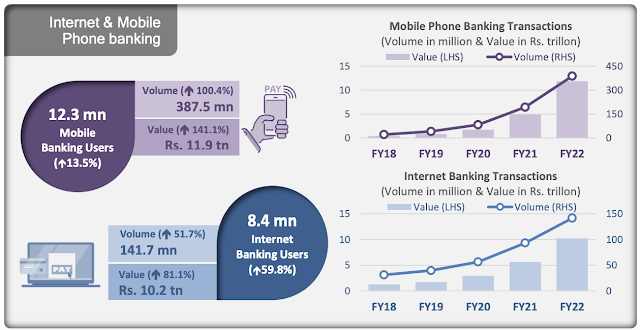
Since 2022, Pakistan has built more genuine economic infrastructure than at almost any point in recent history: an instant payments system moving Rs23.3 trillion a quarter, a record $4.6 billion in IT exports, freelancer earnings up 78 percent to $1.76 billion, SME bank financing up 46 percent in a single year, and a Prime Minister personally signing digital trade agreements with Alibaba that are already putting thousands of Pakistani sellers in front of global buyers. Manufacturing clusters from Sialkot to Faisalabad continue to anchor billions of dollars in exports on their own. This is a strong, government built foundation. What follows is not a critique of that record. It is the case for its logical next phase.
With payments, remittances, and digital trade are running at record scale, it is high time to give all seven million of the country's SMEs, factories and freelancers alike, the same rails, and why 2026 is the moment to finish the job. This week’s visual investigation lays out the blueprint:
https://x.com/Profitpk/status/2080198773888721350?s=20
------------
Profit Magazine is Pakistan's leading business and economic publication, frequently covering the country's small and medium enterprises (SMEs), financial markets, and economic growth indicators. [1, 2]
Key Economic and SME Insights
SME Contribution: Pakistan's estimated 5.2 to 7.14 million small and medium enterprises contribute roughly 40% to the national GDP and account for over 30% of exports. [1, 2]
Employment: The SME sector drives close to 80% of all non-agricultural employment in the country. [1, 2]
Financing Updates: State Bank of Pakistan data indicates SME financing reached Rs 853.94 billion, with active borrowers expanding significantly. [1]
Formalization: Programs via the Small and Medium Enterprises Development Authority (SMEDA) target better access to finance and digital registration portals for business growth.
https://profit.pakistantoday.com.pk/2026/07/21/pakistan-already-built-half-the-operating-system
Pakistan Already Built Half the Operating System
Payments, remittances, and digital trade are running at record scale. This is the blueprint for giving all seven million of the country's SMEs, factories and freelancers alike, the same rails, and why 2026 is the moment to finish the job.
By Faizan Siddiqi
By Business Desk | Published Jul 26, 2026 | 8:06 pm
https://propakistani.pk/2026/07/26/pakistan-sees-sudden-6x-jump-in-credit-card-atm-transactions/
Pakistan’s credit card market recorded its largest-ever quarterly growth, with the number of cards in circulation jumping by 900,000 in just three months, according to Gallup Pakistan’s Digital Analytics Dashboard based on data from the State Bank of Pakistan (SBP).
The total number of credit cards increased from 2.2 million in FY25 to 3.1 million in Q1 FY26 (July-September 2025), up by 44 percent.
The addition exceeds the total net growth recorded over the previous six years, during which the credit card base rose from 1.6 million to 2.2 million.
The surge coincided with a sharp rise in credit card usage. SBP data shows the value of credit card transactions at ATMs increased nearly sixfold during the same quarter.
Despite the unprecedented jump, no major bank, fintech, or financial institution publicly announced a large-scale credit card issuance campaign during the period.
The increase could be linked to a major card issuance, a regulatory reclassification of certain card products, or the launch of new credit-based payment products. SBP hasn’t revealed anything on this so far.
Debit cards continue to dominate Pakistan’s payment landscape, accounting for around 90% of the country’s 61.3 million payment cards, while credit cards represent about 4 percent.
-----------
Credit card growth in Pakistan is experiencing a sudden shift, jumping from a stagnant base of 2.2 million to 3.1 million cards in late 2025, driven by rising fintech adoption and digital banking integrations. Despite this growth, total penetration remains exceptionally low relative to the country's population. [1, 2, 3, 4]
Market Statistics and Recent Surge
Base Expansion: Stagnated around 1.6 million to 2.2 million cards between FY20 and FY25, before a single-quarter jump to 3.1 million in Q1 FY26 (July–September 2025). [1]
Transaction Activity: ATM credit card transaction values spiked nearly 6x during the Q1 FY26 surge, confirming active utilization rather than passive issuance. [1]
Overall Market Share: Debit cards still heavily dominate, making up roughly 90% of Pakistan’s 61.3 million total payment cards. [1]
https://www.techjuice.pk/new-connectivity-plan-proposed-to-boost-internet-speeds-in-remote-areas/
The federal government wants to bridge the digital divide. Federal Minister for Economic Affairs Ahad Cheema recently chaired a crucial meeting. He discussed the proposed National Connectivity Plan. Minister for IT & Telecom Shaza Fatima Khawaja and several senior officials also attended this session. Primarily, the meeting focused on expanding high-speed internet access. The government wants to connect villages, remote areas, and small towns. Consequently, this move will unlock massive new economic opportunities across the country.
A Connectivity Plan to Empower Freelancers & Digital Professionals
Currently, slow and unreliable internet creates major hurdles for remote workers. Therefore, Federal Minister Ahad Cheema highlighted the government’s top priority. Authorities aim to facilitate freelancers, e-commerce entrepreneurs, and other digital professionals living in remote regions. The government will take all necessary measures to ensure affordable, high-speed internet services. As a result, every citizen can fully participate in the growing digital economy.
Furthermore, the session highlighted the critical importance of 5G infrastructure. Next-generation fiber-to-the-home (FTTH) networks will also drive national economic growth. Ultimately, these crucial upgrades will create jobs and foster nationwide digital inclusion.
Ambitious Infrastructure Targets
Pakistan is already experiencing strong momentum in digital development. Officials noted steady growth in FTTH subscriptions, which currently stand at 2.8 million. Moreover, the country boasts a robust fiber footprint of 234,000 kilometers. The current infrastructure includes 5.1 million house passes and six operational submarine cables.
To build upon this solid foundation, the government outlined highly ambitious national targets. The plan seeks to expand the infrastructure to 10 million house passes. Additionally, the government aims to raise average fixed broadband download speeds to 85 Mbps. Authorities also plan to increase tower fiberization to 60 percent. Consequently, these specific efforts aim to secure the country a spot among the world’s top 50 countries for broadband performance.
Strategic Reforms & Tax Relief
The meeting placed a massive emphasis on digital affordability. Participants actively considered targeted tax relief for internet users living in remote areas. This key decision will significantly expand digital participation.
Additionally, officials discussed several strategic reforms. The government plans to abolish right-of-way fees. Authorities will also launch a single-window approval portal and introduce district-level licensing. Furthermore, the plan makes fixed broadband connectivity mandatory across all public institutions, schools, and health facilities.
To ensure swift execution, the government will finalize the National Connectivity Plan expeditiously through comprehensive stakeholder consultation. Cheema stressed the need for a highly structured and sequenced approach. The government will prioritize essential regulatory reforms and enforce clear operator obligations. Moreover, officials will link financial support directly to verified performance milestones. This strategy will accelerate nationwide fiber deployment. At the same time, it will successfully safeguard public resources and ensure long-term commercial viability.
Pakistan Rolls Out 1,136 5G Sites Across 23 Cities.
Pakistan has deployed 1,136 5G sites across 23 cities, with Jazz leading the rollout at 689 sites. Karachi, Lahore, Islamabad, and Faisalabad currently have the highest number of deployments.
https://www.techjuice.pk/pakistan-rolls-out-1136-5g-sites-across-23-cities/
Pakistan has deployed 1,136 5G sites across 23 cities as of August 4, 2026, according to the latest PTA update.
The PTA data shows that Jazz has deployed 689 5G sites, followed by Zong with 338 sites and Ufone with 109 sites. Jazz alone accounts for 60.7% of the deployed 5G sites, while Zong has a 29.8% share and Ufone 9.6%.
The largest 5G deployment has been recorded in Karachi with 257 sites, followed by Islamabad with 192 sites, Lahore with 241 sites and Faisalabad with 131 sites.
The PTA said it is closely monitoring cellular mobile operators to ensure the timely rollout of 5G services across the country and will submit periodic updates to the relevant committee.
https://www.brecorder.com/news/40435965/pakistans-5g-rollout-attracts-1786mn-investment-from-telecom-operators
ISLAMABAD: Telecom operators have invested around $178.6 million in rolling out 5G services in Pakistan, with 1,136 sites upgraded to 5G across the country, according to data shared by the Ministry of Information Technology and Telecommunication.
The data shows that Jazz invested $59.67 million in 5G rollout up to June 2026, while Zong invested $98.9 million and Ufone an estimated $20 million.
The ministry said the government’s Policy Directive dated January 6, 2026 for the spectrum auction did not set any specific target for telecom companies to bring in foreign direct investment for 5G rollout.
According to investment projections provided by mobile operators, Jazz is expected to invest a further $30.33 million in 5G rollout during fiscal year 2027, while Zong has forecast an investment of $39.9 million during the year.
The ministry said Ufone’s fiscal year 2027 investment data would be shared after completion of merger-related activities.
Meanwhile, mobile operators have upgraded a total of 1,136 sites to 5G across Pakistan.
The development indicates that operators are making substantial investments in expanding next-generation mobile connectivity despite the absence of a specific government-mandated FDI target linked to 5G deployment.
The government had conducted the 5G spectrum auction in March 2026, paving the way for commercial rollout of next-generation mobile services in the country.
The projects expanded broadband access across thousands of underserved areas. Fibre deployment also connected 947 previously unserved
https://www.techjuice.pk/usf-connects-16-2m-people-deploys-10400km-ofc-in-five-years
The Universal Service Fund (USF) has expanded voice and broadband access to more than 16.2 million people. The projects covered over 9,400 underserved and unserved mauzas during the last five fiscal years.
The figures were shared by Minister for Information Technology and Telecommunication Shaza Fatima Khawaja. She provided the details in a written reply to the National Assembly.
During FY2022-26, USF projects delivered voice and broadband data services across more than 9,400 mauzas. The programme also helped bring broadband to areas where telecom operators lacked a strong business case.
USF also expanded coverage along more than 1,000 kilometres of unserved roads. These included sections of national highways and motorways. The projects also covered eight tourist destinations and around 50 kilometres of access routes.
The fund deployed more than 10,400 kilometres of optic fibre cable (OFC) during the same five-year period. This work connected 947 unserved tehsil headquarters, union councils and towns.
Since its launch, USF has reached more than 38.4 million people across over 22,100 mauzas. It has also covered more than 2,500 kilometres of previously unserved road segments.
The fund has connected eight tourist destinations and about 50 kilometres of access routes. Its total OFC deployment has also crossed 18,300 kilometres since inception.
USF was established under Section 33(A)(1) of the Pakistan Telecommunication (Re-organization) Act, 1996. Its main goal is to extend telecom services to rural, remote and underserved communities.
The programme initially focused on voice and basic data services through 2G networks. It later expanded to high-speed broadband through 3G and 4G networks.
The government said better connectivity is also supporting education, healthcare and emergency services. It is helping improve financial inclusion, e-governance and access to economic opportunities.
The ministry said USF remains important in areas where commercial telecom deployment is difficult. It will continue targeting unserved and underserved communities through broadband and fibre projects.
https://www.bignewsnetwork.com/news/279275714/ai-cooperation-with-china-brings-hope-to-pakistan-small-farmers#google_vignette
For many small farmers in Pakistan's Punjab province, the country's most populous province, farming has always felt like a roll of the dice against the whims of the weather. But local farmers may soon see their fortunes change.
Syed Muhammad Ashiq Hussain Shah, Punjab's agriculture minister, is attending the 2026 China International Big Data Industry Expo, which runs through Sunday, in Guiyang, capital of southwest China's Guizhou Province. He said his delegation has a clear mission: to find Chinese partners who can help bring AI-powered farming tools to millions of smallholders back home.
According to the Pakistani official, many small farmers in Punjab province lack access to reliable, timely information. Meanwhile, climate change is making weather patterns increasingly erratic, with sudden downpours, prolonged droughts and scorching heat waves adding new risks to agricultural production
Punjab's agricultural authorities are now developing an AI-powered digital monitoring network designed to deliver weather forecasts, crop monitoring and real-time data on soil, water and pest control directly to farmers.
"We want to use AI to monitor the weather, soil and water, and to digitally track crops as well," Shah said. "We also want to use AI for pest control, so that a farmer can simply send a picture of a plant and get help identifying the problem. "
"If farmers can receive this information through a digital platform, they can make better decisions and reduce losses. That is why we see AI as an important tool for improving agricultural productivity and supporting farmers in Punjab," he said.
"That is exactly why we are here -- to find partners and learn from China's experience," he added.
In fact, China and Pakistan, including Punjab, have already shared a solid foundation in agricultural cooperation. Shah said Punjab signed at least six memorandums of understanding following previous visits to China and has been actively following through on them.
Chinese companies have also played a significant role in Punjab's high-tech farm mechanization program. Shah estimated that about 90 percent of the machinery acquired under the program -- including harvesters and tractors -- came from China. Now, this partnership is evolving beyond hardware to include smart technologies and intelligence.
Ali Mustafa Dar, adviser to the chief minister of Punjab on artificial intelligence and special initiatives, observed that China does not treat AI as something separate from economic development, but integrates it across manufacturing, logistics, cities, agriculture, transport and public services.
"China thinks long term. It builds the infrastructure. It experiments and learns. And when something works, it has the capacity to take it to extraordinary scale," he said.
As China's first national comprehensive big data pilot zone, Guizhou offers precisely the kind of experience Punjab is looking for. Dar said Guizhou is particularly interesting because it demonstrates that AI begins with strong data foundations.
Guizhou is a key hub for China's national "East Data, West Computing" project. This national strategy operates similarly to a power grid, shifting the heavy data processing demands of China's economically bustling eastern coast to resource-rich western regions. Crucially, the project utilizes the western region's abundant green energy such as wind and hydropower, making it a major milestone in green technology and carbon reduction.
By late July 2026, Guizhou housed 50 key data centers, with total computing capacity reaching 176.57 EFLOPS. Nearly 98.4 percent of this capacity was dedicated specifically to AI-related computing.
Dar said he is keen to understand how Guizhou has built its data ecosystem -- from infrastructure, data centers and standards to governance, industry and the applications built on top.
Sets 2029 target; fragmented networks, low FTTH threaten broadband ambitions
https://tribune.com.pk/story/2580911/pakistan-to-fiberise-10m-homes
KARACHI:
Pakistan, long criticised for inadequate public service delivery, now sees a rare opportunity to leap into modern governance through technology. But its race towards a digitally enabled future depends on whether it can overcome deep connectivity gaps, high infrastructure costs, and sluggish fibre-to-the-home penetration, as the government rolls out an ambitious National Fiberisation Plan aimed at delivering high-speed broadband to 10 million households by 2029.
While the initiative promises 100 Mbps fixed internet for every user and aims to elevate the country into the top 50 global speed rankings, experts warn that fragmented networks, limited fibre density, spectrum inefficiencies, and cybersecurity vulnerabilities could stall progress unless policy, investment, and execution align at scale.
The country is also targeting 80% fiberisation of mobile towers to enhance network capacity and reliability, and to improve Pakistan's standing in the top 50 countries on the Ookla global speed rankings.
The initiative is being led by the Ministry of Information Technology and Telecommunication (MoITT) in collaboration with the World Bank, as part of the Digital Economy Enhancement Project (DEEP). The main objective of the programme is to enhance the government's capacity to deliver digitally enabled public services for citizens and businesses.
To achieve its targets, the ministry is currently seeking to hire a consultancy firm to develop a roadmap for attracting investment within the existing policy framework.
The plan will also explore how Administrative Incentive Pricing (AIP) can be used as a complementary policy tool to promote efficient spectrum use and incentivise fibre deployment for backhaul and middle-mile connectivity, particularly to support 4G densification and 5G readiness. It will also clarify the complementary roles of fibre (long-haul, middle-mile, and deep access) and spectrum (last-mile wireless), ensuring that AIP discourages spectrum hoarding while encouraging sustainable, long-term investment in fibre-based infrastructure.
Syed Muhammad Taha Owais, a fibre-optic infrastructure specialist, said demand for high-speed internet is rising sharply in urban areas for both commercial and domestic use, which could boost business productivity and output.
"Pakistan ranks among the lowest globally for internet speeds due to obsolete infrastructure and the slow adoption of new technologies, particularly FTTH (fibre-to-the-home)," he said. All stakeholders, including the government and the private sector, should fast-track fibre deployment nationwide to improve connectivity and support the digitisation of business and governance systems.
Owais, a senior official at Optix Pakistan, underscored the importance of high-speed internet, adding that the deployment of fibre optic in commercial areas and posh localities has increased the uptake of internet and increased the performance of the businesses.
At present, Pakistan has over 211,000 kilometres of deployed optical fibre, including 75,967 km of long-haul and 135,506 km of metro fibre.
"For a technopreneur, fibre is not infrastructure; it is oxygen and digital power," he said. This fiberisation plan is Pakistan's launchpad. Every startup, every smart city, every digital service depends on it.